Woke Games: Our Biggest Games Should Bring Us Together, Not Tear Us Apart
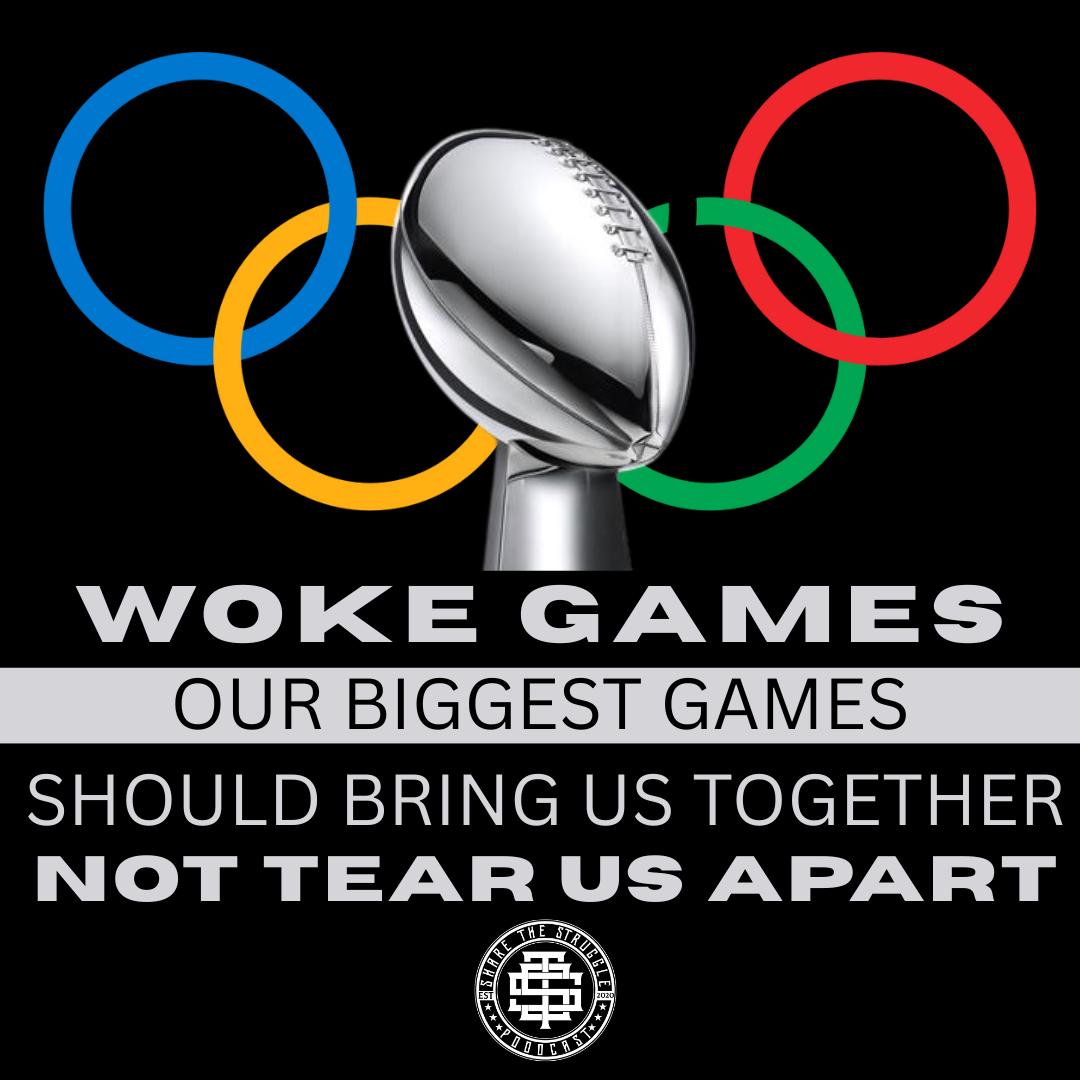
Sports are supposed to be the quiet place in a loud world, the corner where we meet as neighbors before we argue as voters. That promise frames our look at two headline events: the Super Bowl and the Olympics. We start with a reality check for New England fans who rode an unexpected run to the big game. The path was soft, the ending harsh, and the emotions loud, but the deeper point remains: celebrate the surprise and build on the foundation. From there, the focus shifts to how a halftime show became a referendum on identity, language, and unity. When the stage is built to gather millions, choices that inflame instead of include feel like missed chances to let everyone breathe together.
The debate around Bad Bunny isn’t about talent; it’s about whether a unifying moment should add friction. The league framed the choice as global growth, yet the audience for a U.S. championship expects a shared language and tone that welcomes more than it provokes. Pair that with pre-show boasts and award-show speeches, and the halftime turned into a culture flashpoint before the first note. Listeners who wanted football with their families felt pushed to pick sides. That’s what happens when a ritual of rest becomes a billboard for every grievance. The scoreboard ends up measuring outrage more than art, and the memory of the game gives way to the noise around it.
An alternative halftime emerged and drew millions of curious viewers. The numbers matter less than the message: there is a market for faith-forward, patriot-leaning music that comforts without lecturing. A Kid Rock-led closer tied modern country grit to an old idea—music as relief and resolve. This is what many fans say they miss: art that sends them back to the second half feeling lighter, steadier, and proud to stand next to people who disagree on everything else. The counter-show didn’t try to “win” the ratings war; it tried to reclaim space where families can watch together without bracing for a debate they didn’t ask to have.
Then the lens widens to the Olympics, once the purest broadcast of collective pride. Athletes train in silence for years to carry a flag for minutes, and those minutes used to quiet the room. Lately, the microphones arrive with political prompts, and the story tilts from grit and grace to hot takes on national wounds. Fans feel cornered into stances when they came for awe. The tragedy is double: athletes lose shine they earned, and viewers lose the easy joy of chanting for the same colors. We can honor complex lives without turning every interview into a referendum. Let performance lead, let questions humanize, and let the anthem mean relief, not recoil.
Media incentives fan the divide; outrage spreads faster than highlight reels. But production choices matter too. We can pick guests and stories that invite more people in. We can ask better questions: How did you overcome the bad day? What promise kept you training? Who believed in you first? Those answers build bridges. They speak to anyone who knows fear, failure, and the grind. Sports are our shared rehearsal for courage: show up, play fair, accept the whistle, get back up. When broadcasts choose that frame, the country exhales. When they don’t, fans go elsewhere, and the center thins.
This isn’t a plea for silence; it’s a call for stewardship. Big stages carry a civic duty to lower the temperature. Let halftime be a hymn to common ground. Let Olympic coverage make room for tears and triumph more than talking points. Give kids a moment to love the jersey before we ask them to learn the jargon. If the goal is a stronger culture, start with rituals that remind us we still like cheering together. Choose unity where it’s easiest to find: on the field, under the lights, with the clock running and the stakes clear. That is how games become more than games again.

Signs, Grit, And Going For It: From Angel Numbers To Daytona