We Grow When We Stop Chasing Things And Start Training Our Thoughts
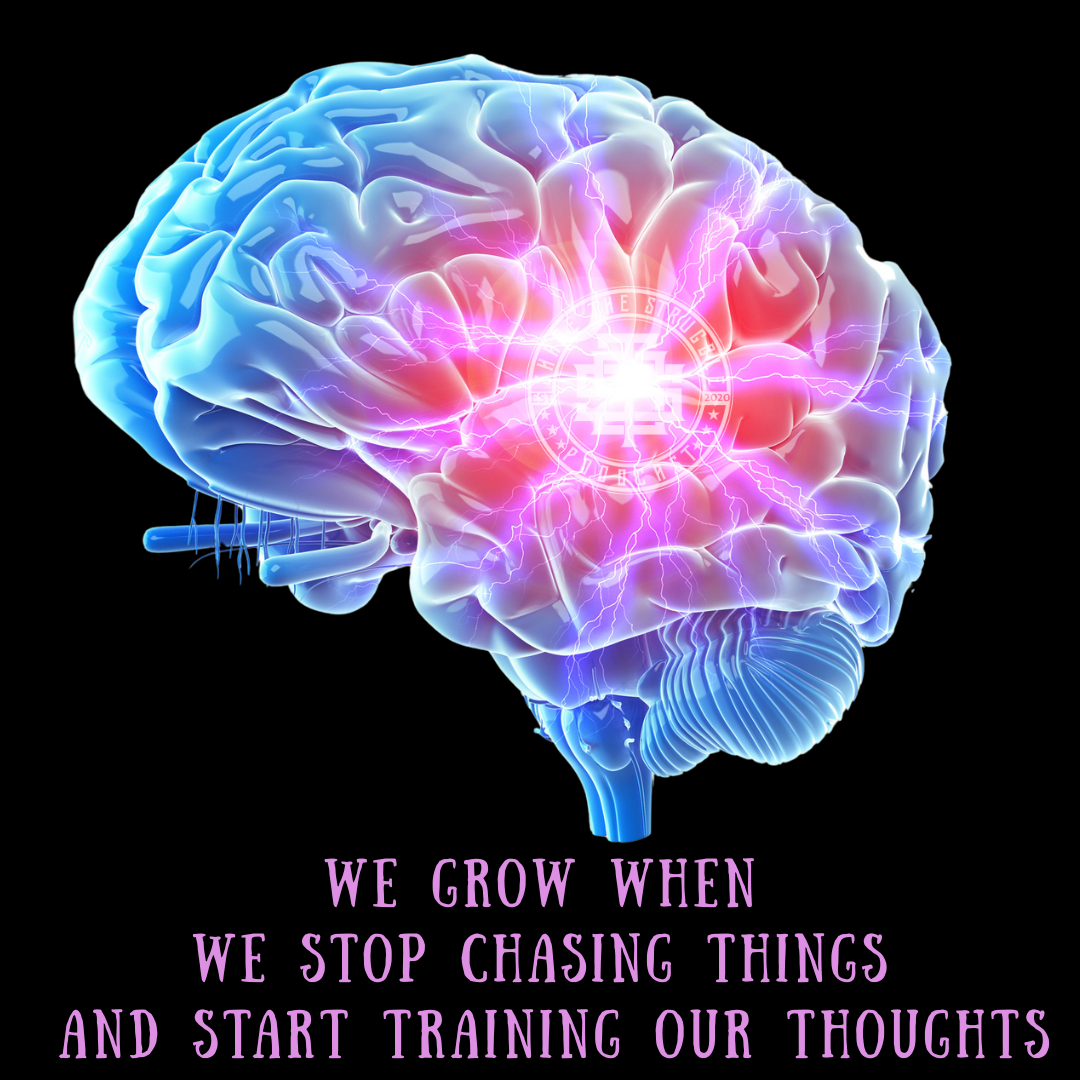
We start with a jolt of honesty: most of us chase things and neglect the thoughts that steer our lives. The story opens in the noise of everyday life—vinyl records, business calls, a baby’s nap—and lands on a hard truth heard during a sermon: we value things over thoughts. From there, the conversation widens into how we measure worth with trucks, bikes, and big purchases while starving the inner voice that decides what we attempt, how we recover, and who we become. The tension isn’t anti-goal; it’s pro-mindset. When our expectations hitch to objects, we grind toward deadlines and miss the deeper work of building beliefs that outlast the shine of new gear.
Examples make the point stick. An old truck once worshiped now rusts under a pine tree. A cherished Challenger sits in ice and snow, unregistered, untouched. A Harley gathers dust in a garage. Each trophy once felt like a finish line, then faded into background clutter. The real constant wasn’t the stuff; it was the inner narration that judged, compared, and second-guessed. That narration can either narrow our world or widen it. If you tell yourself you can’t, you’re right—because self-talk becomes the rules you live under. The fix isn’t to stop dreaming; it’s to stop letting dreams be defined by the price tags of things and start letting them be guided by the quality of your thoughts.
Rumination turns sparks into wildfires. A single “K” text becomes a feud. A delayed reply becomes a snub. Without tone, context, or eye contact, we invent meanings and then defend them. Those little mental movies add weight to our days and shape our reactions to big questions like career moves, housing, and family choices. The point is not to control every thought but to notice when a thought is a story, not a fact. Without that pause, we feed the problem with attention until it feels bigger than our capacity to act. The inner work is to break the loop before it becomes law.
A vivid dream drives the shift from theory to practice. In it, a lender offers a refinance that wipes out debt, and the body responds first: tight chest softens, breath deepens, burden lifts. Waking up reveals nothing changed on paper, but something changed in perspective. The “how” that used to mean steps, timelines, and cash flow becomes a different “how”—how it will feel when the load lightens. That felt sense sparks belief, and belief sparks motion. When we give power to possibility instead of the problem, we create room for action to matter again.
From there, four practical tools anchor a new path. One: label intrusive thoughts as mental events—temporary, not truth. Two: separate you from you with a clear “not today” boundary that interrupts spirals. Three: move—walk, lift, stretch, tidy—because action thins anxiety and builds momentum. Then channel that momentum into one concrete step toward a goal or into clarifying the beliefs that ground you when no step is available. Four: control what you can control and release what you can’t, including other people’s opinions. We spend more time worrying about how we’re seen than others spend seeing us.
The challenge for the year is simple and hard. Keep your goals, but cut the deadlines that choke joy. Replace comparison with curiosity. When talking to yourself, choose language that makes courage easier, not scarcer. Expect more from your mindset than from your shopping list. Ask better questions: Will your history limit your destiny, or will your expectations—owned by you and no one else—create room for growth? The shift from overwhelmed and reactive to positive and productive isn’t instant, but it’s possible when we treat thoughts like levers, not leftovers. Value the inner voice, and the outer world begins to follow.

Woke Games: Our Biggest Games Should Bring Us Together, Not Tear Us Apart